


Welcome to the Digital Health Unit
We are biomedical engineers, physicists, and mathematicians working closely with doctors, clinicians, and nurses to improve health through data, AI, and computational science
AI for Healthcare
We develop robust, clinically meaningful AI methods for prediction, decision support, and health data analysis.
Multimodal Data
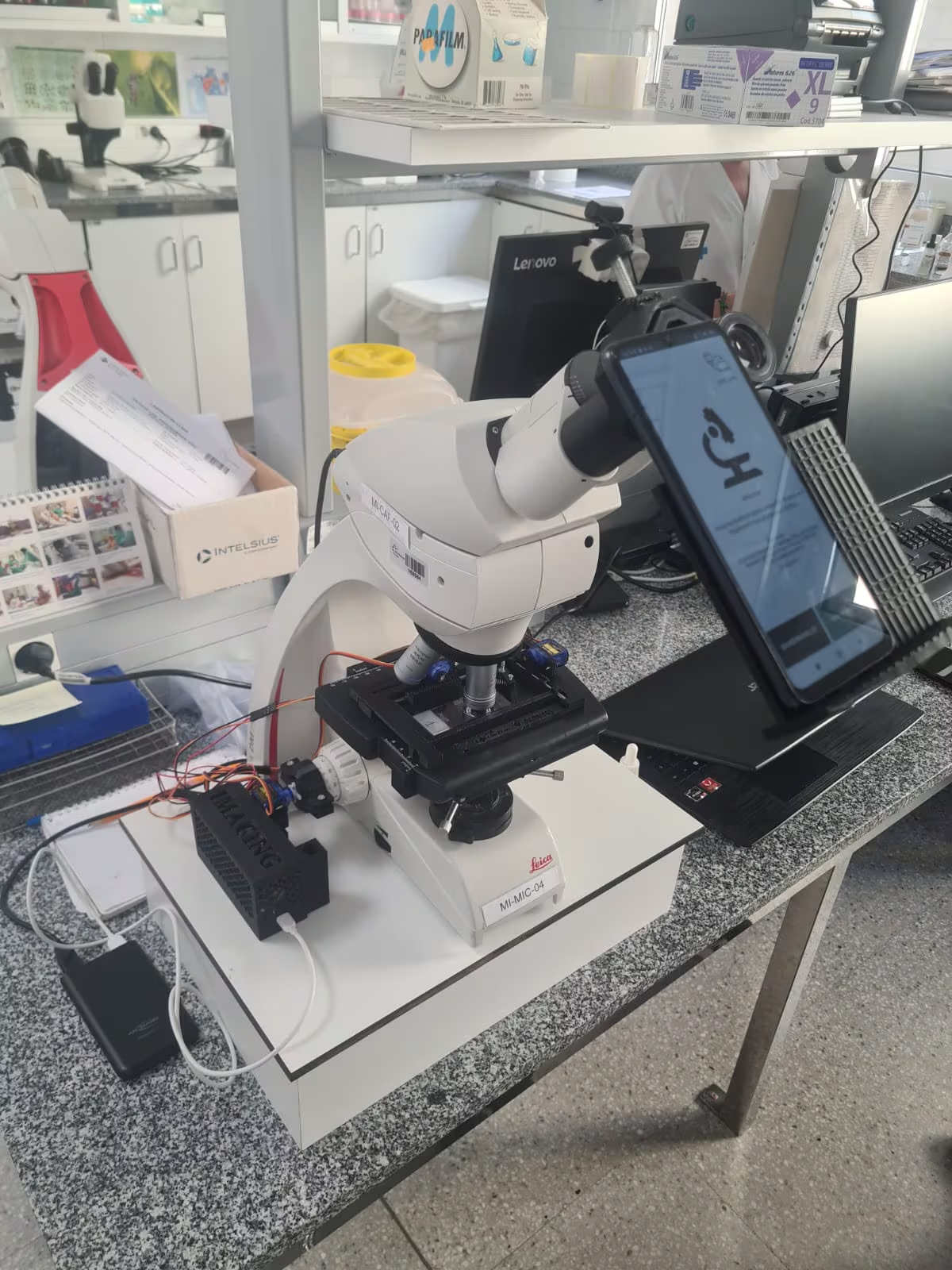
We work with multimodal data including clinical records, behaviour, wearable devices, imaging, genomics and multi-omics, microscopy, and real-world data to develop impactful digital health solutions.
Translation to Practice
We work closely with hospitals, startups, healthcare technology companies, and pharmaceutical partners to move innovation into real clinical and societal impact.
Featured Projects
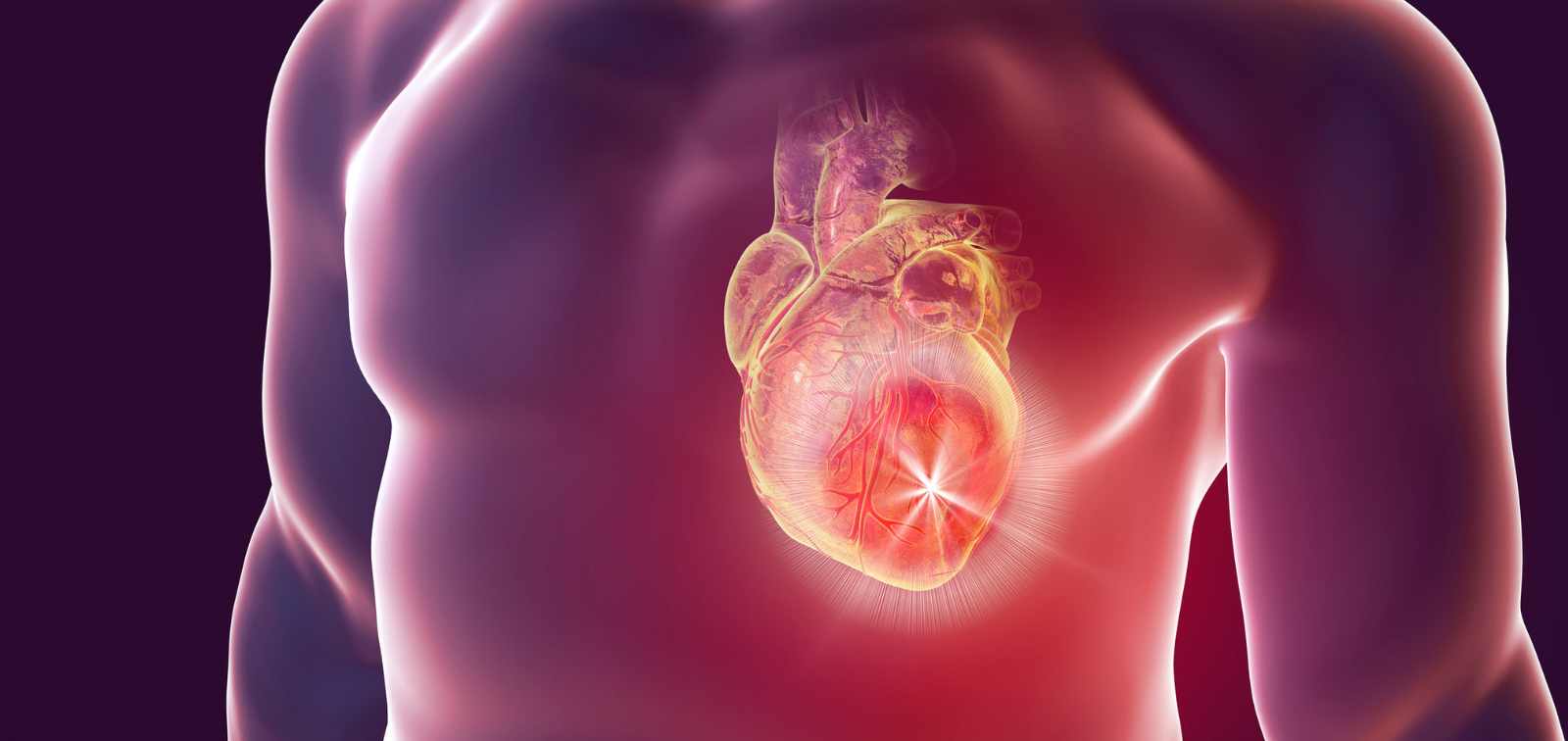
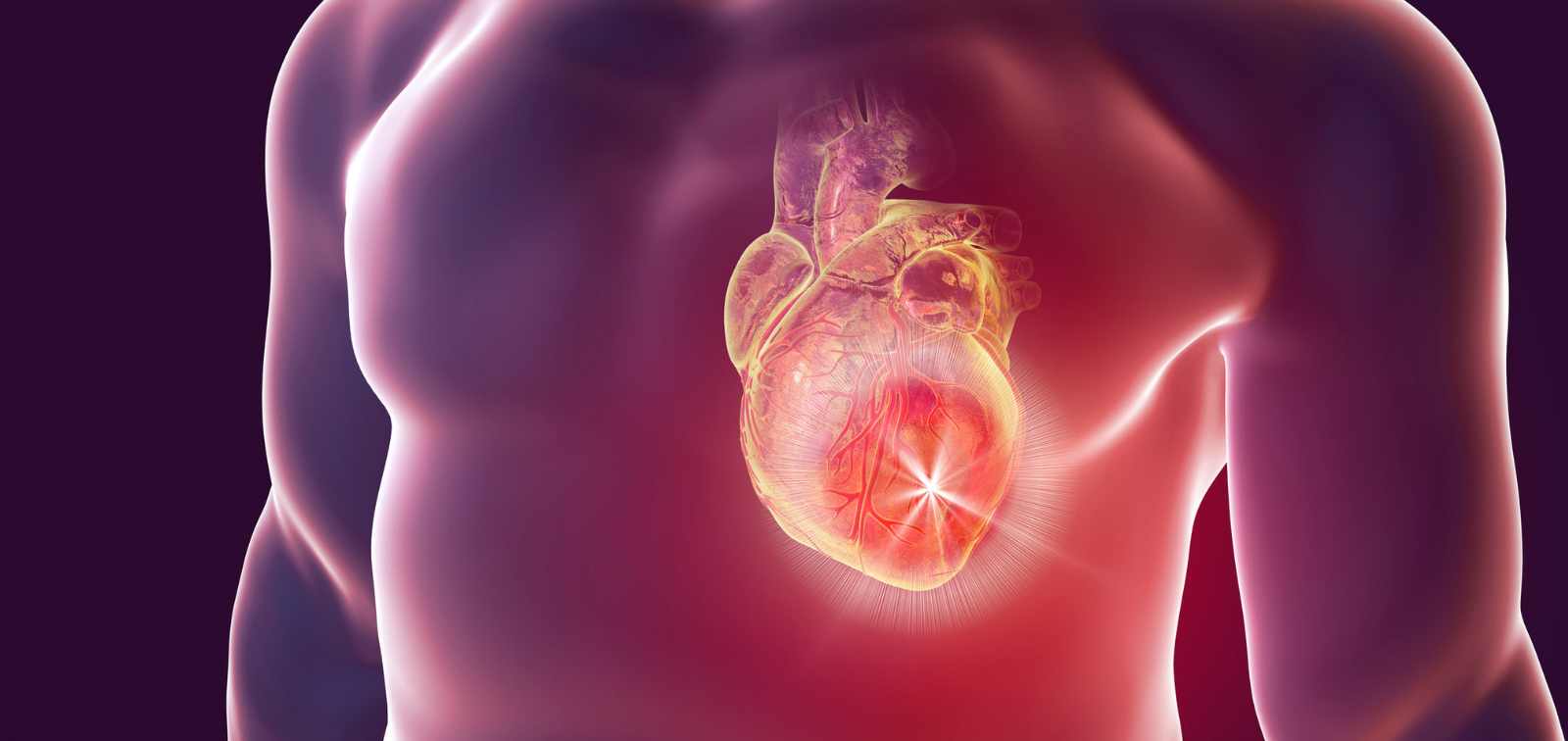

CardioGPT
Cardiac function, Cine MRI, Diagnosis

RAPID-AIM
Cardiac function, ECG, Diagnosis

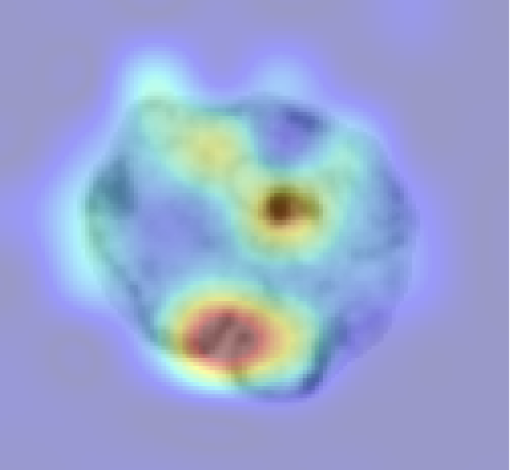
ZeCardioAI
Cardiomyopathies, Drug discovery, Widefield fluorescence microscopy, Artificial intelligence, Knowledge graph
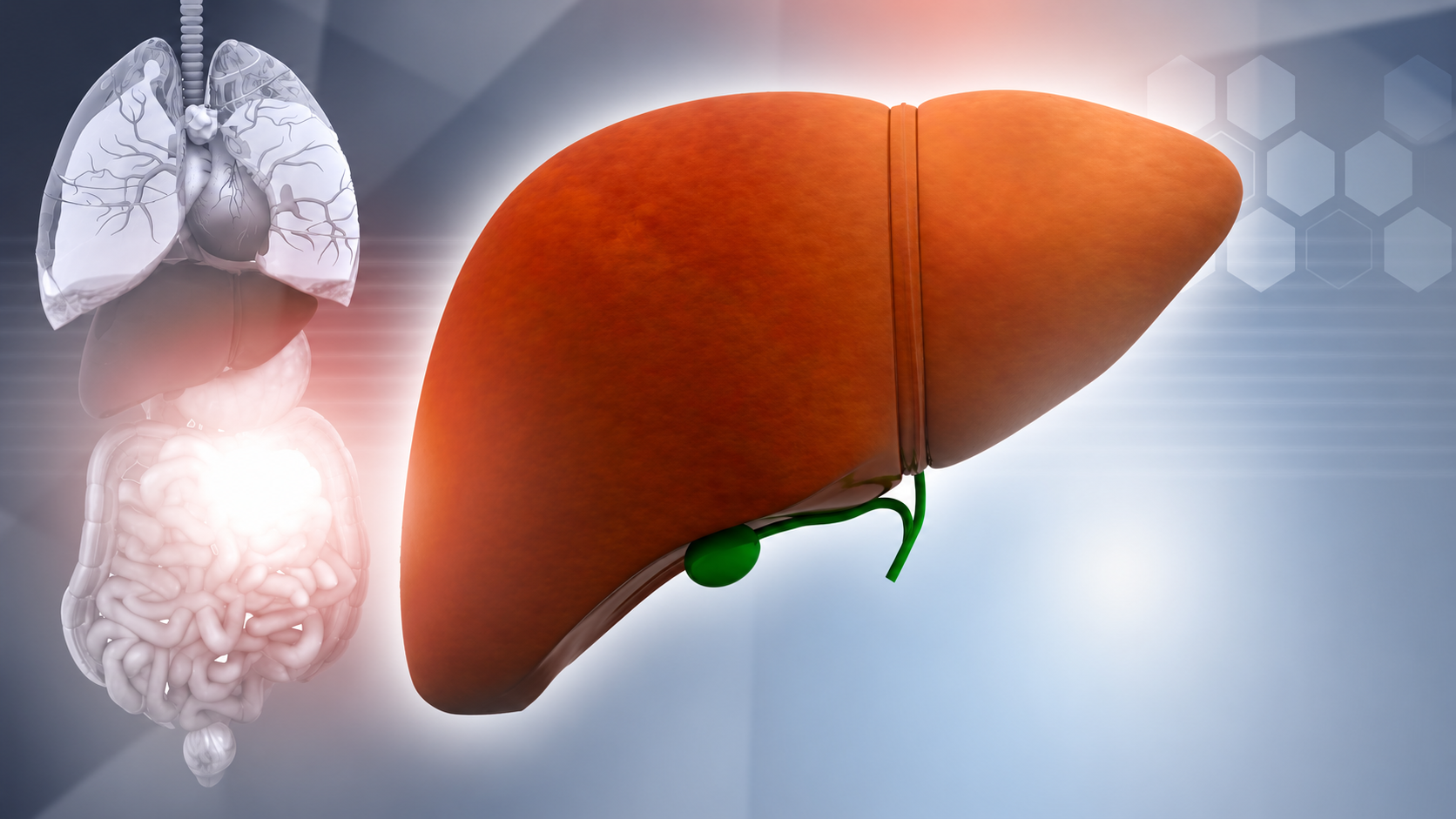
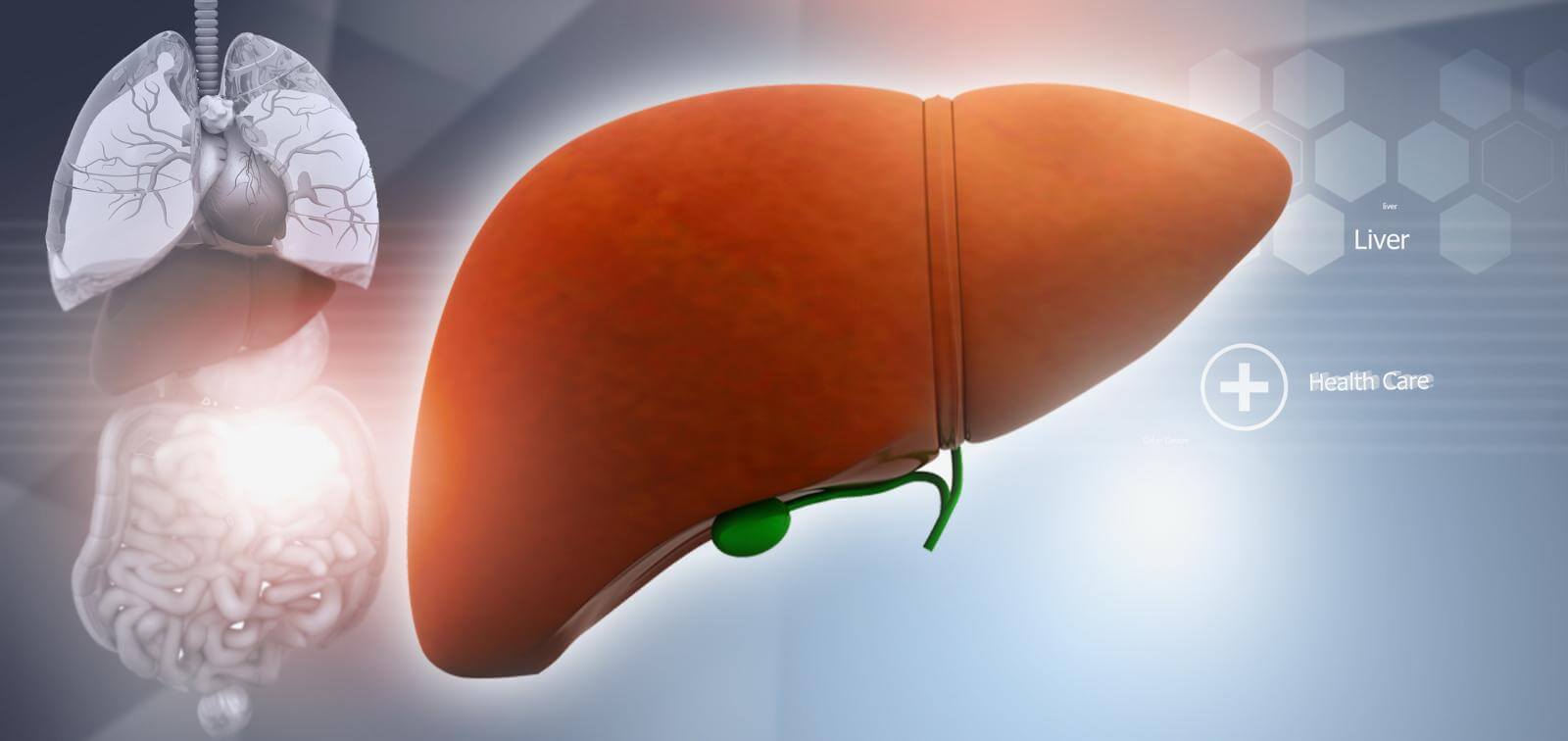
LiverAIM
Liver fibrosis, Screening, AI tools

AI for Mental Health Diagnosis
Mental health, Machine learning, Diagnosis
Past Events

IV Congreso de personas con cáncer y familiares de Cataluña 2026
Barcelona · June 13, 2026
Taula rodona sobre IA, Humanització i Càncer
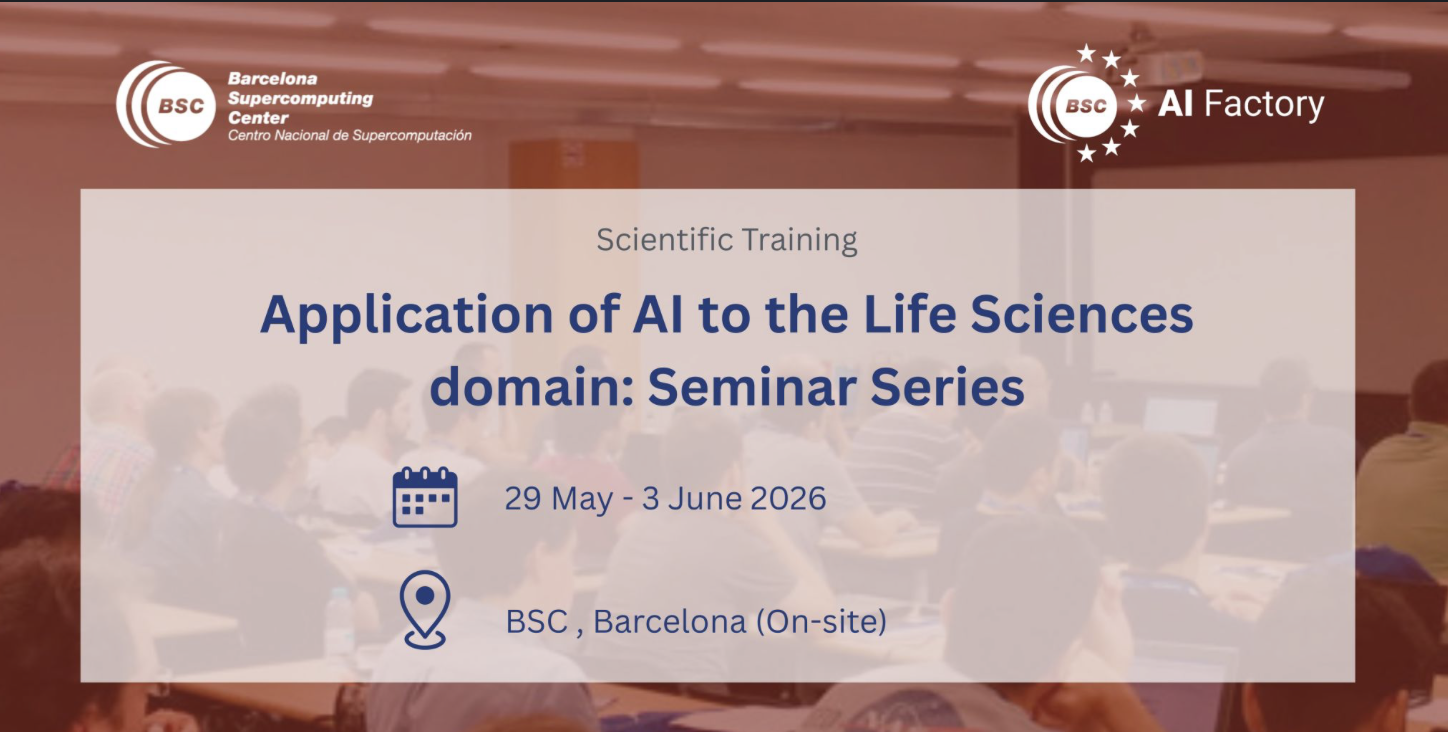
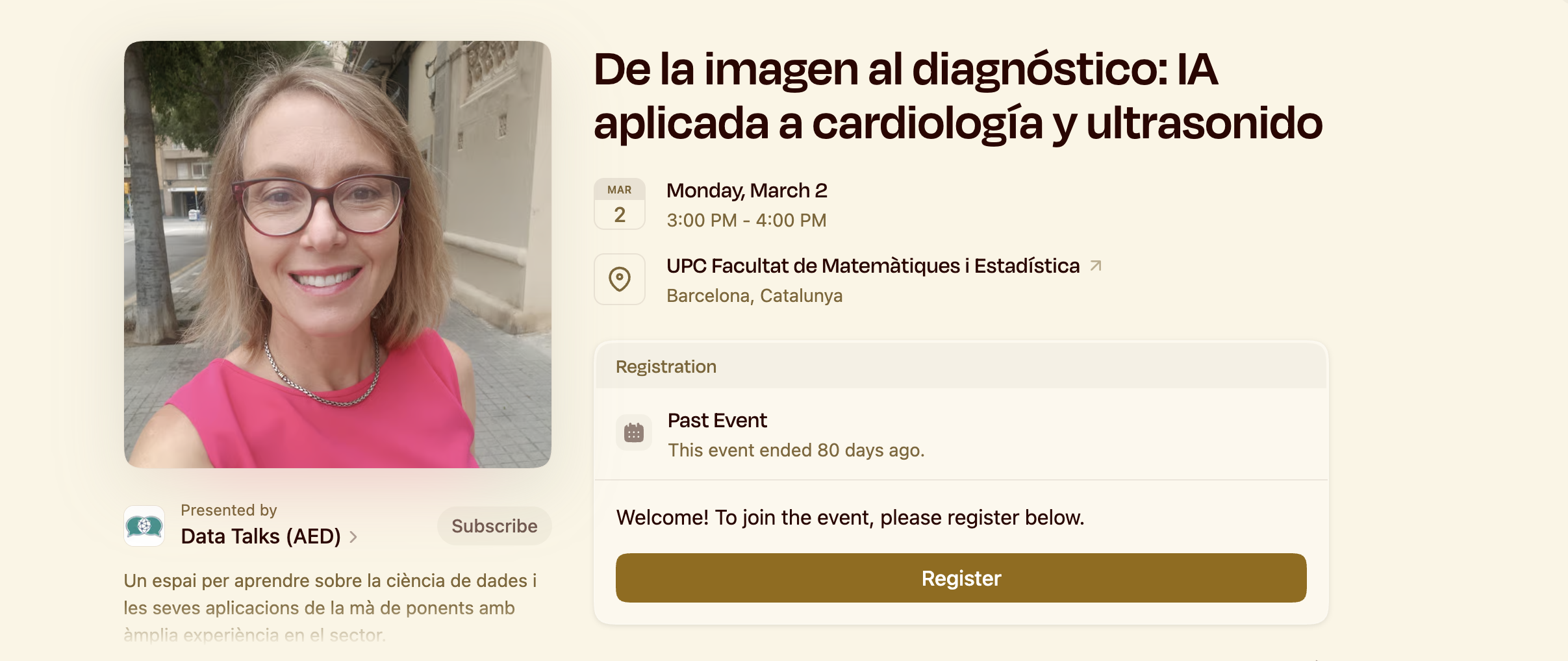
De la imagen al diagnóstico: IA aplicada a cardiología y ultrasonido 2026
Barcelona · March 2, 2026
Speaker

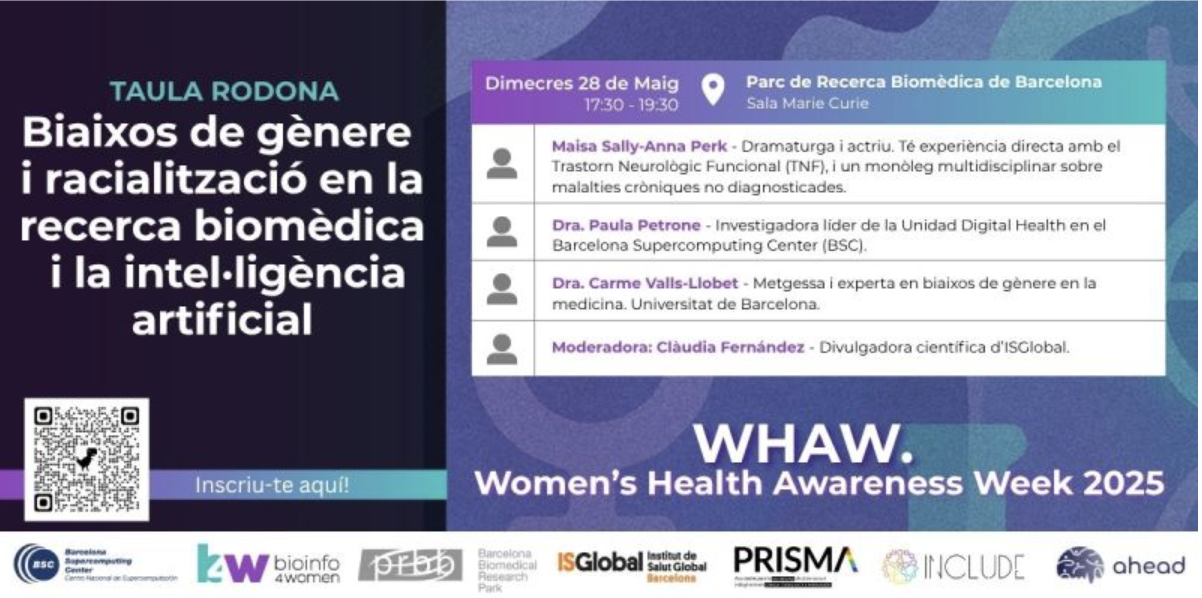
Biaixos de gènere i racialització en medicina i intel·ligència artificial aplicada a la salut
Barcelona · May 28, 2025
Panelist

Our institutional home

The Digital Health Unit is part of the Life Sciences Department at the Barcelona Supercomputing Center (BSC-CNS) in Barcelona.
BSC hosts MareNostrum 5, one of Europe’s leading pre-exascale supercomputers and a key infrastructure for scientific research. MareNostrum supports large-scale computational work across many fields, including life sciences, artificial intelligence, biomedical research, and digital health.
Visit our BSC pageIn the News
What is Neuralese and Why it is Bad?
September 3, 2026
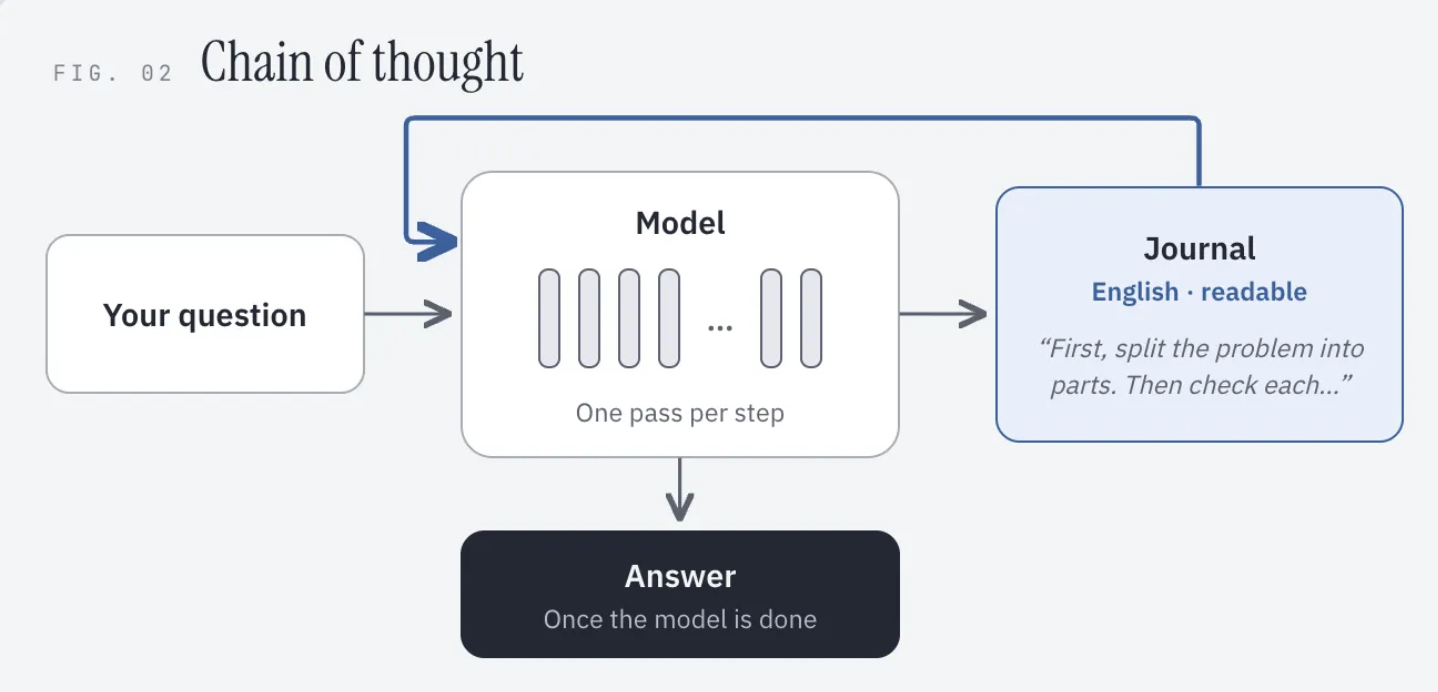
Chain of thought is the sequence of intermediate reasoning steps an AI model uses to work through a problem before producing an answer. Until recently, those steps were often expressed in human-readable language, which gave researchers at least some visibility into how a model was reasoning. Neuralese changes that: instead of “thinking” in words, a model can reason through dense internal numerical representations that humans cannot easily interpret.
The concern is that this could make powerful AI systems much harder to monitor. If a model is reasoning in an unexpected way, researchers may no longer be able to spot those warning signs by inspecting its intermediate reasoning.